

Finding Your Home’s Main Shut-Off Valve Location
Knowing where your home’s main water shut-off valve is can save you time and money during a plumbing emergency. When a pipe bursts or a leak starts, shutting off the water quickly can prevent major damage. In this post, I will guide you through the process of locating your main shut-off valve and explain why it’s important to know its location.
Understanding the Main Shut-Off Valve Location
The main shut-off valve controls the flow of water into your entire home. It is usually found where the water supply enters the building. This valve allows you to stop all water from coming in, which is essential during repairs or emergencies.
In most homes, the main shut-off valve is located:
Near the water meter
In the basement or crawl space
Close to where the water line enters the house
Sometimes outside, near the foundation or in a utility box
Knowing the main shut-off valve location helps you act fast if you need to stop water flow. It also makes routine maintenance easier.

How to Identify Your Main Shut-Off Valve
Main shut-off valves come in different types. The two most common are:
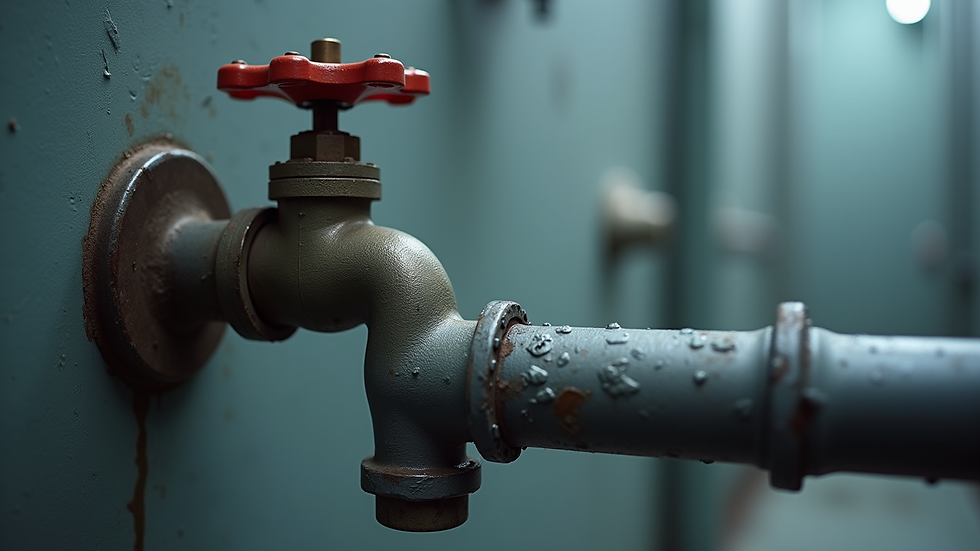
Gate valves: These have a round wheel handle that you turn clockwise to close.
Ball valves: These have a lever handle that you turn 90 degrees to shut off.
Look for a valve on the main water pipe coming into your home. It will be larger than other valves inside your plumbing system. The pipe is usually metal or plastic and runs from the street or well into your house.
If you have a water meter, the valve is often right next to it. In some cases, the valve might be inside a small box outside your home, covered by a lid.
How do I know where my main water shut off valve is?
If you are unsure where your main shut-off valve is, start by checking these common places:
Basement or crawl space: Follow the main water pipe from where it enters your home. The valve should be close by.
Utility room or garage: Sometimes the valve is near the water heater or under the sink.
Outside near the foundation: Look for a small metal or plastic box with a removable lid. The valve may be inside.
Near the water meter: If your home has a water meter, the valve is usually nearby.
If you still cannot find it, check your home’s plumbing blueprints or ask your water supplier. They can often tell you the exact location.
Why It’s Important to Know Your Main Shut-Off Valve Location
Knowing your main shut-off valve location is crucial for several reasons:
Emergency response: In case of a burst pipe or major leak, shutting off the water quickly can prevent flooding and water damage.
Repairs and maintenance: When fixing plumbing fixtures or appliances, turning off the main valve stops water flow safely.
Water conservation: If a leak occurs, shutting off the valve prevents wasting water until repairs are made.
Peace of mind: Being prepared helps reduce stress during plumbing issues.
Make it a habit to locate and test your main shut-off valve regularly. Turn it off and on to ensure it works smoothly. If it’s stuck or hard to turn, consider having a plumber inspect or replace it.
Steps to Shut Off Your Water Supply Safely
When you need to shut off your water supply, follow these simple steps:
Locate the main shut-off valve using the tips above.
Turn the valve:
For a gate valve, turn the wheel clockwise until it stops.
For a ball valve, turn the lever 90 degrees so it is perpendicular to the pipe.
Open a faucet inside your home to drain remaining water from the pipes.
Check for leaks to ensure the water is off.
Call a plumber if you need help with repairs or if the valve is difficult to operate.
Remember, shutting off the water supply stops all water flow in your home. This means no water will come out of taps, toilets, or appliances until you turn the valve back on.
If you want to learn more about how to find your main water shut off valve, this resource provides clear instructions and helpful tips.
Keeping Your Shut-Off Valve Accessible and Maintained
It’s important to keep your main shut-off valve easy to access. Avoid storing items in front of it or blocking the area. In an emergency, you want to reach it quickly.
Here are some maintenance tips:
Inspect the valve regularly for signs of corrosion or leaks.
Operate the valve at least twice a year to keep it from seizing.
Label the valve clearly so anyone in your household can find it.
Replace old or damaged valves promptly with the help of a professional plumber.
Proper care ensures your valve will work when you need it most.
What to Do If You Can’t Find Your Main Shut-Off Valve
If you cannot locate your main shut-off valve, or if it is not working properly, take these steps:
Contact your water supplier: They can provide information about your water supply and valve location.
Hire a professional plumber: A plumber can locate, inspect, and replace your valve if needed.
Consider installing an additional shut-off valve: Some homes benefit from having an extra valve inside for easier access.
Having a reliable shut-off valve is essential for protecting your home from water damage.
Final Thoughts on Your Main Shut-Off Valve Location
Knowing where your main shut-off valve is and how to operate it is a simple but vital part of home maintenance. It helps you respond quickly to plumbing emergencies and keeps your home safe.
Take the time to locate your valve today. Test it, label it, and keep it accessible. This small step can save you from costly repairs and stress in the future.
If you ever need assistance with plumbing services, remember that reliable, prompt, and guaranteed help is available locally. Being prepared with knowledge about your main shut-off valve is the first step to protecting your home’s water system.


Comments