

Assessing the Impact of Toilet Leak Water Wastage
Leaky toilets are a common problem that many homeowners and businesses face. While they might seem minor, the impact of a leaking toilet can be significant. From increased water bills to potential damage to your property, understanding the consequences is essential. In this post, I will walk you through the effects of toilet leak water wastage and offer practical advice on how to address it.
Understanding Toilet Leak Water Wastage
Toilet leak water wastage happens when water continuously flows from the tank into the bowl without stopping. This usually occurs because of worn-out parts like flappers, faulty fill valves, or cracks in the tank. The water loss might not be visible, but it can add up quickly.
The consequences of this wastage include:
Higher water bills: Constant water flow means you pay for water you are not using.
Environmental impact: Wasting water puts unnecessary strain on local water supplies.
Potential damage: Persistent leaks can cause moisture buildup, leading to mold or damage to flooring.
Fixing leaks early can save money and protect your property. It also helps conserve water, which is important for sustainability.
The Cost of Toilet Leak Water Wastage
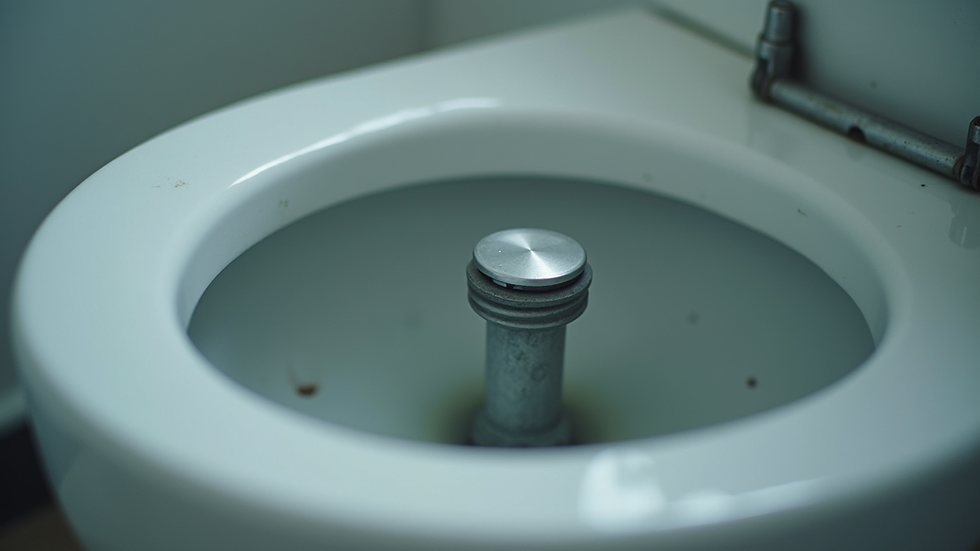
The financial impact of a leaking toilet can be surprising. Even a small leak can waste hundreds of gallons of water each day. This translates into higher water bills that can add up over time.
For example, a slow leak that drips once every second can waste about 3,000 gallons of water per month. In Rainham, UK, where water prices vary, this can mean an extra cost of £30 to £50 or more monthly. For businesses, the cost can be even higher due to larger facilities and multiple toilets.
To avoid these costs, it is important to regularly check your toilets for leaks and repair them promptly. Simple fixes like replacing a flapper or adjusting the fill valve can make a big difference.
How much water can a leaking toilet waste a day?
A leaking toilet can waste a significant amount of water daily. Depending on the severity of the leak, the amount can range from a few gallons to hundreds of gallons per day.
For instance:
A small leak might waste 30 to 50 gallons per day.
A moderate leak can waste 100 to 200 gallons per day.
A severe leak could waste over 500 gallons per day.
This level of wastage not only increases your water bill but also contributes to water shortages and environmental harm. Identifying and fixing leaks quickly is essential to reduce this waste.
How to Detect and Fix Toilet Leaks
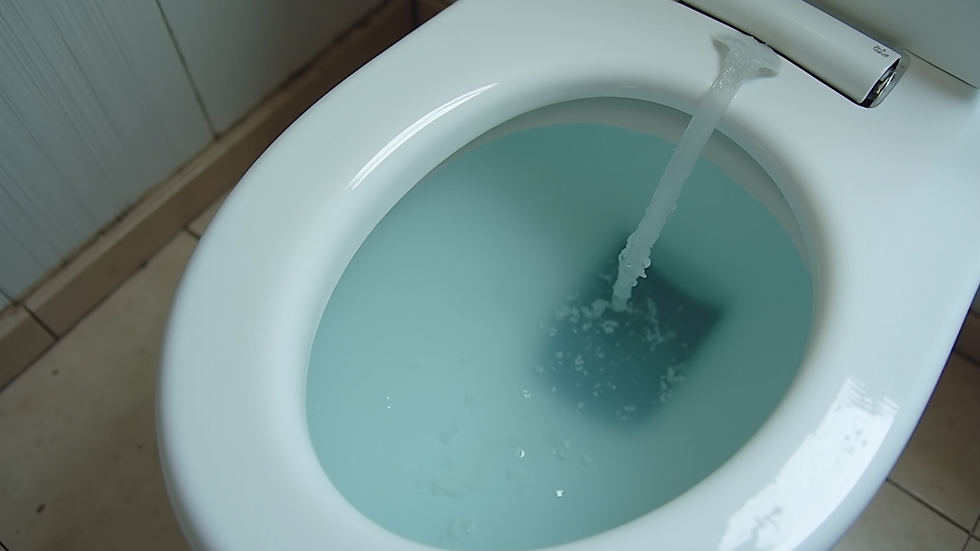
Detecting a toilet leak is easier than you might think. Here are some simple steps you can take:
Check for running water sounds: If you hear water running when the toilet is not in use, it could be a leak.
Use food coloring test: Add a few drops of food coloring to the tank. Wait 10-15 minutes without flushing. If the color appears in the bowl, you have a leak.
Inspect the flapper: Look for cracks or warping in the rubber flapper. Replace if damaged.
Check the fill valve: Ensure it shuts off properly when the tank is full.
Look for cracks: Inspect the tank and bowl for any visible cracks.
Fixing leaks can often be a DIY task if you are comfortable with basic plumbing. Otherwise, calling a professional plumber ensures the job is done correctly and quickly.
Why Prompt Repair Matters
Ignoring a leaking toilet can lead to bigger problems. Beyond the water wastage and cost, leaks can cause:
Structural damage: Water can seep into floors and walls, causing rot and weakening structures.
Mold growth: Moist environments promote mold, which can affect health.
Increased wear: Continuous leaks strain plumbing components, leading to more frequent repairs.
Prompt repair protects your property and saves money in the long run. It also supports water conservation efforts, which benefit the community.
Taking Action to Prevent Toilet Leak Water Wastage
Preventing leaks is better than fixing them. Here are some tips to keep your toilets in good condition:
Regular inspections: Check your toilets monthly for signs of leaks.
Use quality parts: When replacing components, choose durable, high-quality parts.
Avoid flushing inappropriate items: This can damage internal parts.
Schedule professional maintenance: A plumber can spot issues before they become serious.
By staying proactive, you reduce the risk of leaks and their impact.
If you want to learn more about how much water does a leaky toilet waste, this resource provides detailed information and tips.
Addressing toilet leak water wastage is a practical step toward saving money and protecting your property. Whether you manage a home or a business in Rainham, UK, taking care of leaks promptly ensures you avoid unnecessary costs and damage. Regular checks, timely repairs, and preventive maintenance are key to managing this common plumbing issue effectively.


Comments